Identifying subgroups of the general population that are more susceptible to short-term increases in wildfire smoke exposure: A population-based study of older adults in Ontario and British Columbia
Project lead

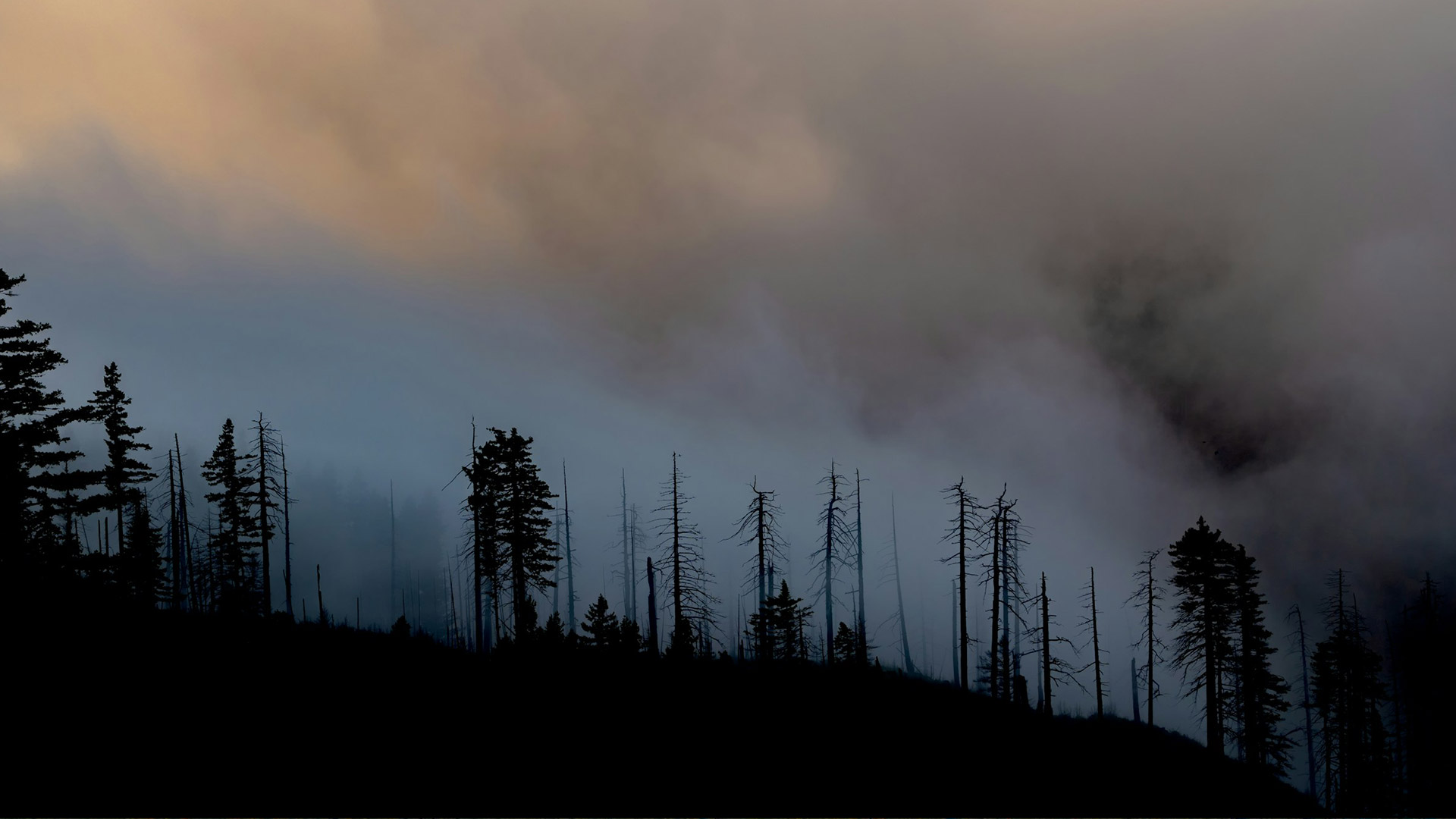
Environmental Health & Climate Change
Environmental Health Services maintains BC’s applied research program on air quality, combining exposure modelling, health administrative data and near-real-time surveillance to quantify what smoke and air pollution do to health. During wildfire season this evidence supports provincial and regional decision-making on who is most affected and which interventions actually help: cleaner-air spaces, portable filtration, and building-level smoke-readiness planning. The work extends beyond wildfire to industrial emissions, radon and indoor air quality, and reaches practitioners across Canada through the National Collaborating Centre for Environmental Health.
Project lead

Affiliate Investigator, Environmental Health Services

Scientific Director, Environmental Health Services

Public Health Physician, Environmental Health Services

Senior Scientist, Environmental Health Services (Climate Preparedness and Adaptation Program Lead)
Setayeshgar S, Liang KE, Stoynova V, Frosst G, Smolina K. Modelling the climate impact of inhalers and mitigation strategies: a population-based study in British Columbia, Canada (2015-2032). BMJ Open Respir Res. 2025 Oct 2;12(1):e003218. doi: 10.1136/bmjresp-2025-003218. PMID: 41043968; PMCID: PMC12496060.