Looking for asymptomatic mpox in a population at high risk (aka LAMP study)
Project lead

Communicable Diseases
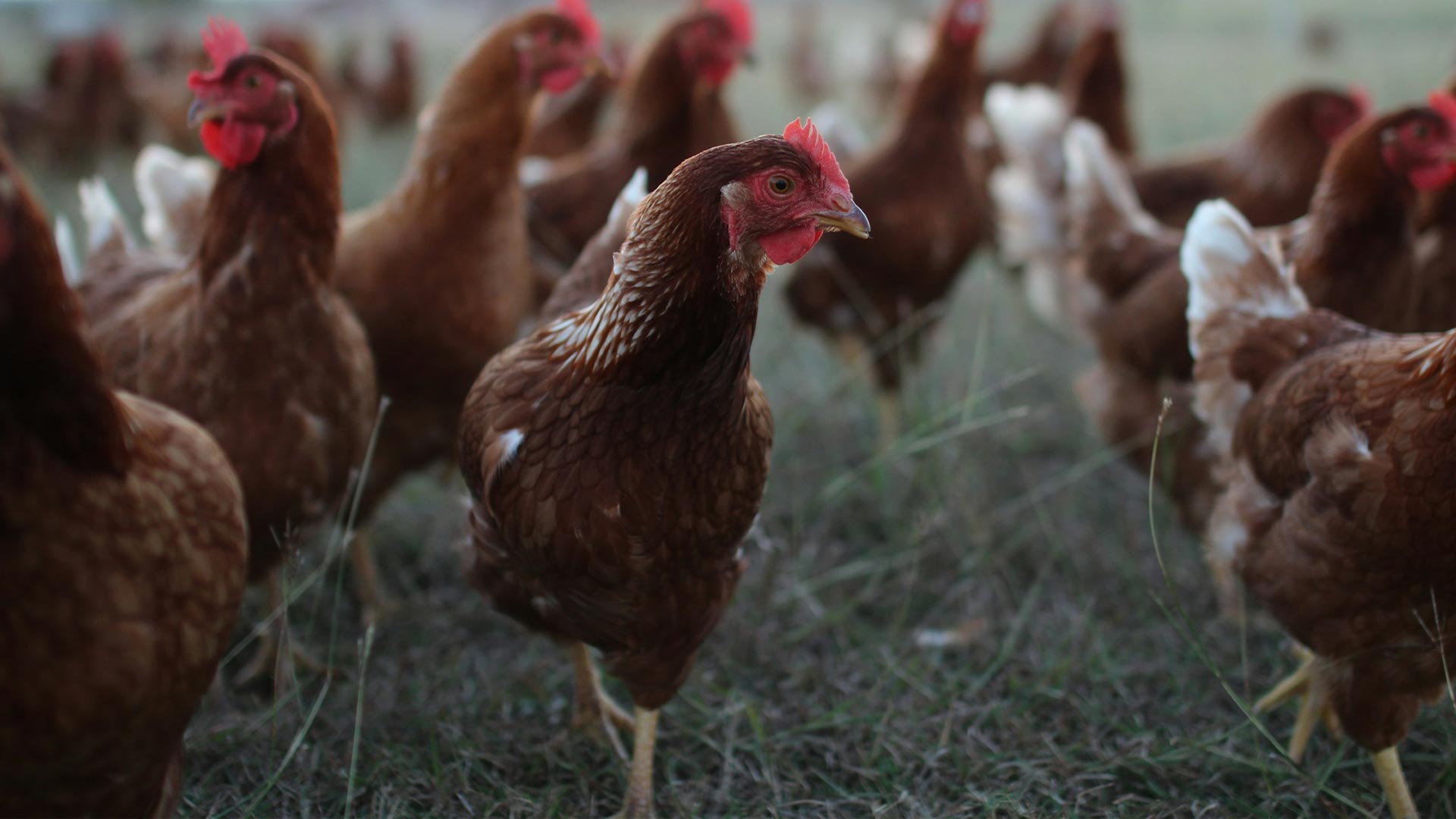
We monitor zoonotic threats at the human–animal–environment interface, spanning avian influenza, enteric pathogens and emerging zoonoses. In 2024, BCCDC contributed to genomic characterization of H5N1 (clade 2.3.4.4b, genotype D1.1) detected in wild birds—and a human—in BC, underscoring the value of cross-sectoral surveillance and laboratory coordination.
Our clinical advisories translate fast-moving evidence into practical testing and PPE guidance (e.g., conjunctival sampling when H5 exposure is suspected). Reference laboratory capacity for specialized serology, molecular testing and microbial fingerprinting underpins this work and supports outbreak response across the One Health spectrum, in close collaboration with the vector-borne disease program.
Project lead
Project lead
Project lead
Project lead
Project lead
Project lead

Public Health Veterinarian

Affiliate Investigator, Public Health Laboratory
Interim Medical Co-Director

Medical Microbiologist and Program Head, Parasitology Laboratory

Investigator

Program Head, Zoonotic Diseases & Emerging Pathogens

Program Head, Environmental Microbiology & Co-Program Head, Molecular and Microbial Genomics

Senior Scientist, Translational Genomics

Medical Lead, Enteric, Vector-borne and Zoonotic Diseases

Physician Epidemiologist

Senior Scientist, Enteric, Zoonotic, and Vector-borne Diseases

Senior Scientist, Microbial Genomics

Senior Scientist, Bioinformatics, Public Health Laboratory
Himsworth, C. G., Caleta, J. M., Jassem, A. N., Yang, K. C., Zlosnik, J., Tyson, J. R….Russell, S. L. (2025). Highly Pathogenic Avian Influenza A(H5N1) in Wild Birds and a Human, British Columbia, Canada, 2024. Emerging Infectious Diseases, 31(6), 1216-1221. https://doi.org/10.3201/eid3106.241862.